The Jean-Nickolaus Tretter Collection
The Jean-Nickolaus Tretter Collection is the largest archival repository of LGBTQ history in the Midwest. The Tretter Collection is home to over 500 collections of queer and trans archival materials accessible to the public. We are open to community members and organizations as well as undergraduate students, graduate students, faculty, and staff from any college or university to use on site at the Andersen Library.
Search the Tretter Collection
- Finding aids
- Finding aids help you navigate materials in the Tretter Collection, describing what is in each box to support your research. The finding aid may be a brief summary or a detailed description and inventory.
- Digital collections
- Search for digitized images, documents, oral histories, and other a/v media.
- Libraries catalog
- Search for cataloged LGBTQ books, journals, and periodicals (newspapers and magazines).
Visit

Request a reading room appointment
To request an appointment for to see Tretter Collection materials and/or request reference help please complete this form.

Request a class visit
Looking to have your students engage with Tretter Collection materials? Whether K-12, College/University, or community education, the Tretter Collection welcomes class visits, tour groups, and provides online and offsite instruction sessions. Please use this form to schedule a class session.
About the Tretter Collection
The Tretter Collection holds approximately 3,500 linear feet of material—including books, periodicals, personal and organizational records, zines and pamphlets, artifacts and ephemera, and audiovisual materials.
The collection is national and international in scope (featuring materials in approximately 60 languages), but is especially strong in materials documenting the history of LGBTQ people, organizations, and communities in the Twin Cities, Minnesota, and across the broader Midwest.
The Tretter also serves as a hub for queer and trans engagement and use of the collection, we co-host the Midwest Queer and Trans Zine Fest and Queer Zine Conference each October and host panel discussions, community conversations, exhibits, zine workshops, and other events designed to support critical inquiry into LGBTQ pasts.

Jean-Nickolaus Tretter's Legacy
Learn more about Jean-Nickolaus Tretter, our founder and namesake.
Collection highlights
Detailed information about areas of strength within the Tretter Collection, and access to an array of way-finding tools.

The Tretter Transgender Oral History Project
Information about and links to materials that are part of our ongoing, in-house trans oral history project.
Give to the collection
The Tretter Collection would not exist without contributions from many individuals, organizations, and collectives. There are many ways to contribute! Learn more about donating materials for inclusion in our collections, participate in oral history projects, attend events, volunteer, or make a financial gift to support the long term sustainability of our work.
Location, hours, and contact
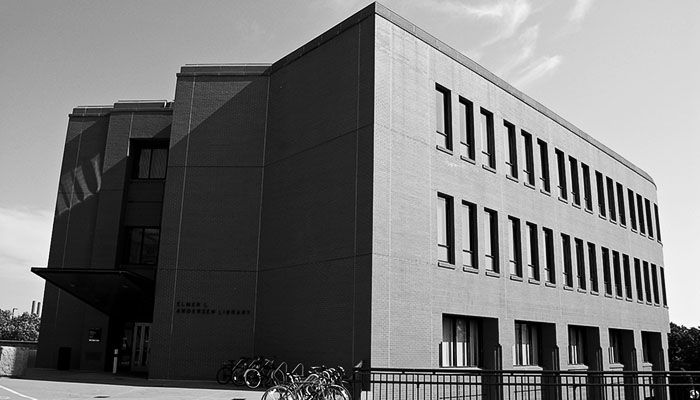
Andersen picture card
Andersen hours card
- Hours
-
- to
- Closed
- Closed
- to
- to
- Note: Appointments are required to visit the reading room within these hours.
Tretter Collection in Gay, Lesbian, Bisexual, and Transgender Studies
- Visit
-
111 Andersen Library
222 21st Ave South
Minneapolis, MN 55455 - Parking information
- Call
- 612-624-7526
- [email protected]